Best Credit Cards for Building Credit in 2026
Whether you’re new to credit, rebuilding after a setback, or simply haven’t had the chance to establish a credit history yet, the right credit card can be one of the fastest ways to build a solid score — or, used carelessly, it can just as easily damage it. This guide covers the main types of credit-building cards available in the US and UK, how they work, and the habits that actually move your score in the right direction.
Why Credit Score Matters
Your credit score affects the interest rate you’re offered on mortgages, car loans, and other credit cards — sometimes the difference of thousands of dollars or pounds over the life of a loan. In the US, lenders typically use FICO or VantageScore models (300-850 range). In the UK, the three main credit reference agencies (Experian, Equifax, and TransUnion) each use their own scoring scales, so it’s worth checking more than one.
Types of Cards for Building Credit
- Secured credit card (US): Requires a cash deposit that typically becomes your credit limit. Because the issuer holds collateral, approval odds are much higher even with no credit history, and responsible use is reported to the credit bureaus like any other card.
- Student credit card (US): Designed for college students with limited credit history, usually with a lower credit limit and sometimes rewards for good grades or responsible use.
- Credit-builder card (UK): Offered by several UK providers specifically for people with thin or damaged credit files, typically with a low starting limit that can increase with responsible use.
- Retail store card: Sometimes easier to qualify for than a general-purpose card, though often with higher interest rates — best used only if paid off in full each month.
- Becoming an authorized user: Being added to a family member’s well-managed credit card can help build history, though results vary by issuer and how the primary account is managed.
What to Look for in a Credit-Building Card
- Reports to all major credit bureaus: Confirm the issuer reports to all three US bureaus (Experian, Equifax, TransUnion) or the equivalent UK agencies — some smaller issuers don’t report to all of them.
- No or low annual fee: Since the point is building credit, not maximizing rewards, avoid cards with fees that outweigh the benefit.
- A clear path to graduate: Many secured and credit-builder cards allow an upgrade to an unsecured card, or a deposit refund, after a set period of on-time payments.
- Manageable credit limit: A lower limit can help you keep your credit utilization ratio low, which is one of the biggest factors in your score.
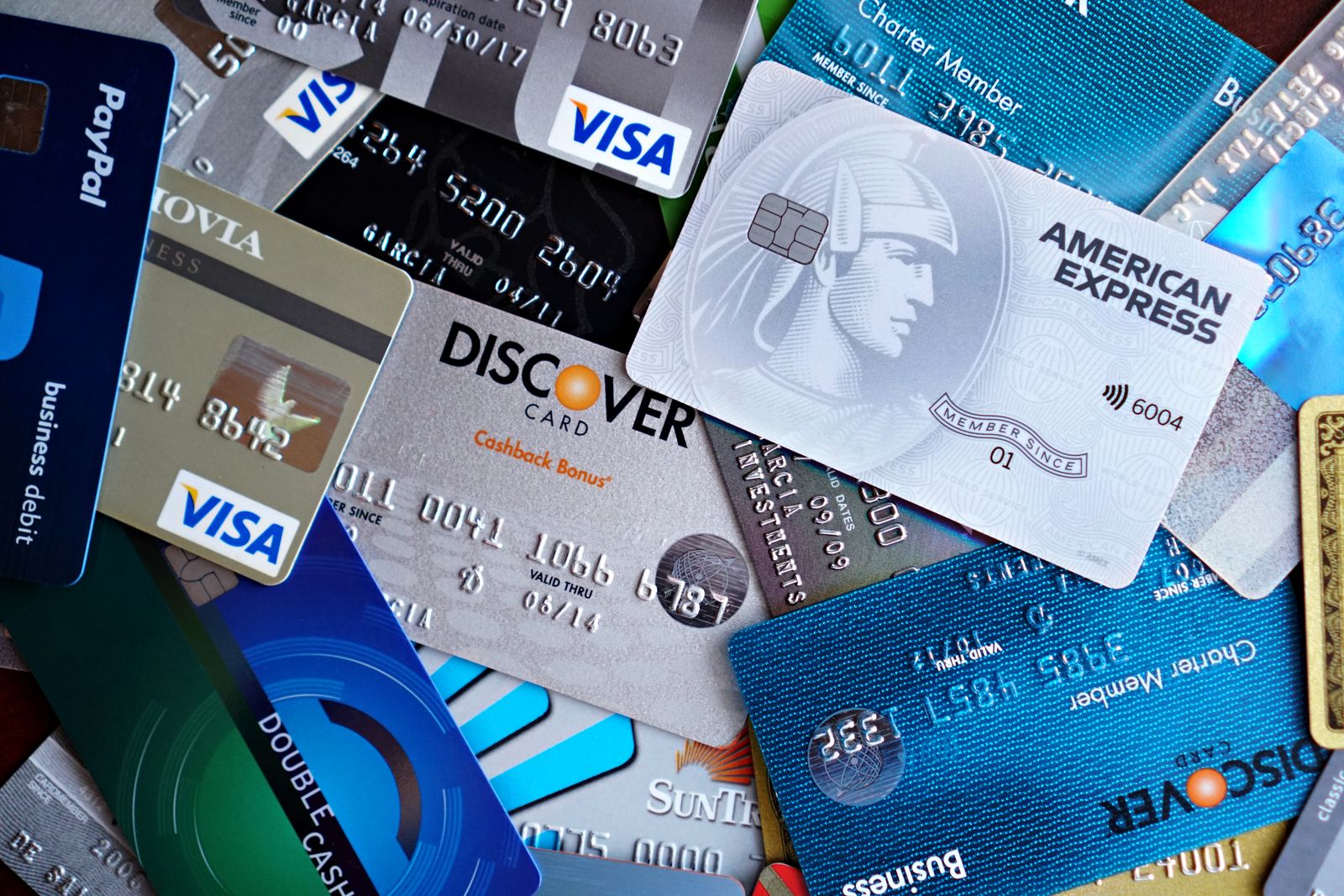
Photo: Credit Card Variety Pile on Pexels (free to use)
Habits That Actually Build Your Credit Score
- Pay on time, every time: Payment history is the single biggest factor in most scoring models. Set up autopay for at least the minimum payment to avoid missing a due date.
- Keep utilization low: Try to use less than 30% of your available credit limit, and ideally under 10% for the best impact on your score.
- Don’t close your oldest card: The length of your credit history matters, so keeping an older account open (even with light use) can help.
- Avoid applying for too many cards at once: Each hard credit inquiry can cause a small, temporary dip in your score.
- Check your credit report regularly: Free reports are available annually in the US (via AnnualCreditReport.com) and free ongoing access is available through several UK credit reference agencies — catching errors early can prevent lasting damage to your score.
Common Mistakes to Avoid
- Only making minimum payments: This keeps interest accruing and can make a small balance take years to pay off.
- Maxing out the card: Even if you pay it off monthly, a high balance at statement-closing date can spike your utilization ratio.
- Applying for a card you won’t qualify for: This wastes a hard inquiry — check pre-qualification tools, which often use a soft check that doesn’t affect your score.
- Ignoring the annual fee renewal: Some cards waive the fee in year one, then charge it from year two onward.
Final Thoughts
The “best” credit-building card isn’t the one with the flashiest rewards — it’s the one that reports reliably to the credit bureaus, fits your current credit profile, and comes with fees you can easily justify. Combined with consistent, on-time payments and low utilization, even a simple secured or credit-builder card can meaningfully improve your score within 6-12 months.
This article is for general informational purposes only and does not constitute financial advice. Terms, fees, and credit bureau reporting practices vary by issuer and can change — always confirm current details directly with the provider before applying.